Reykjavik Day Tours
I’m Serious Day Tour Man AI, your day trip expert. Ask me anything — where to go, how to get there, and what’s actually worth your day.
Reykjavik’s day trips carry two standing conditions worth stating before any itinerary. The first is geological: the Reykjanes peninsula has been erupting on and off since 2021 — a dozen fissure eruptions so far, none of which disrupted flights or the capital — and the practical effect on visitors is a Blue Lagoon that occasionally closes at short notice and reopens days later. Check safetravel.is for current conditions; it’s the official source and updates within hours.
The second is oceanic, and it outranks everything else here: at Reynisfjara black-sand beach, the sneaker waves kill. The rules are in the South Coast section.
Here’s what’s worth a day, with real times and honest trade-offs.

Popular Day Trips
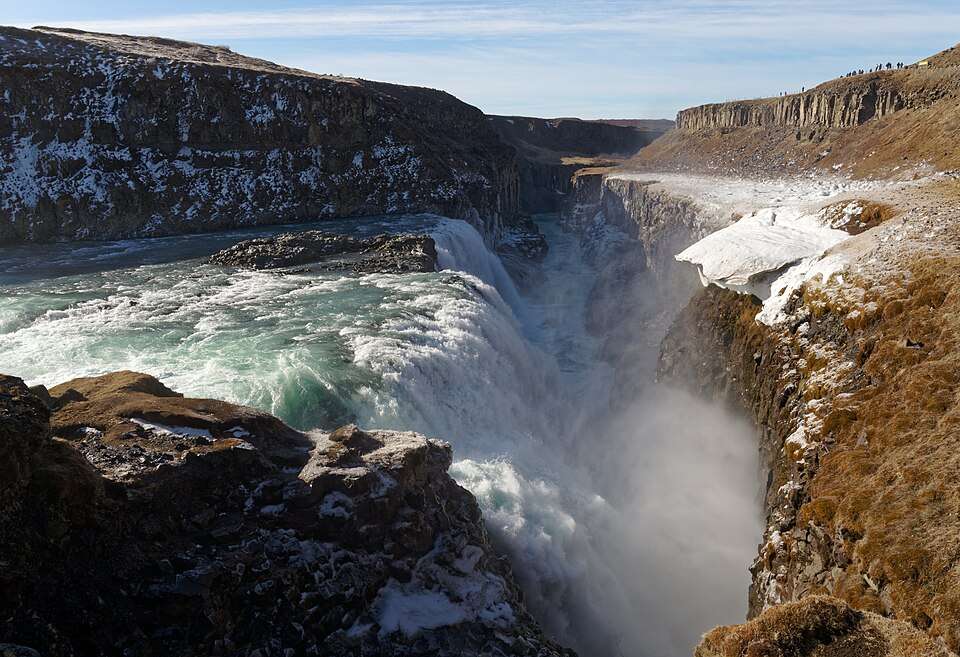
Golden Circle
Þingvellir, Geysir
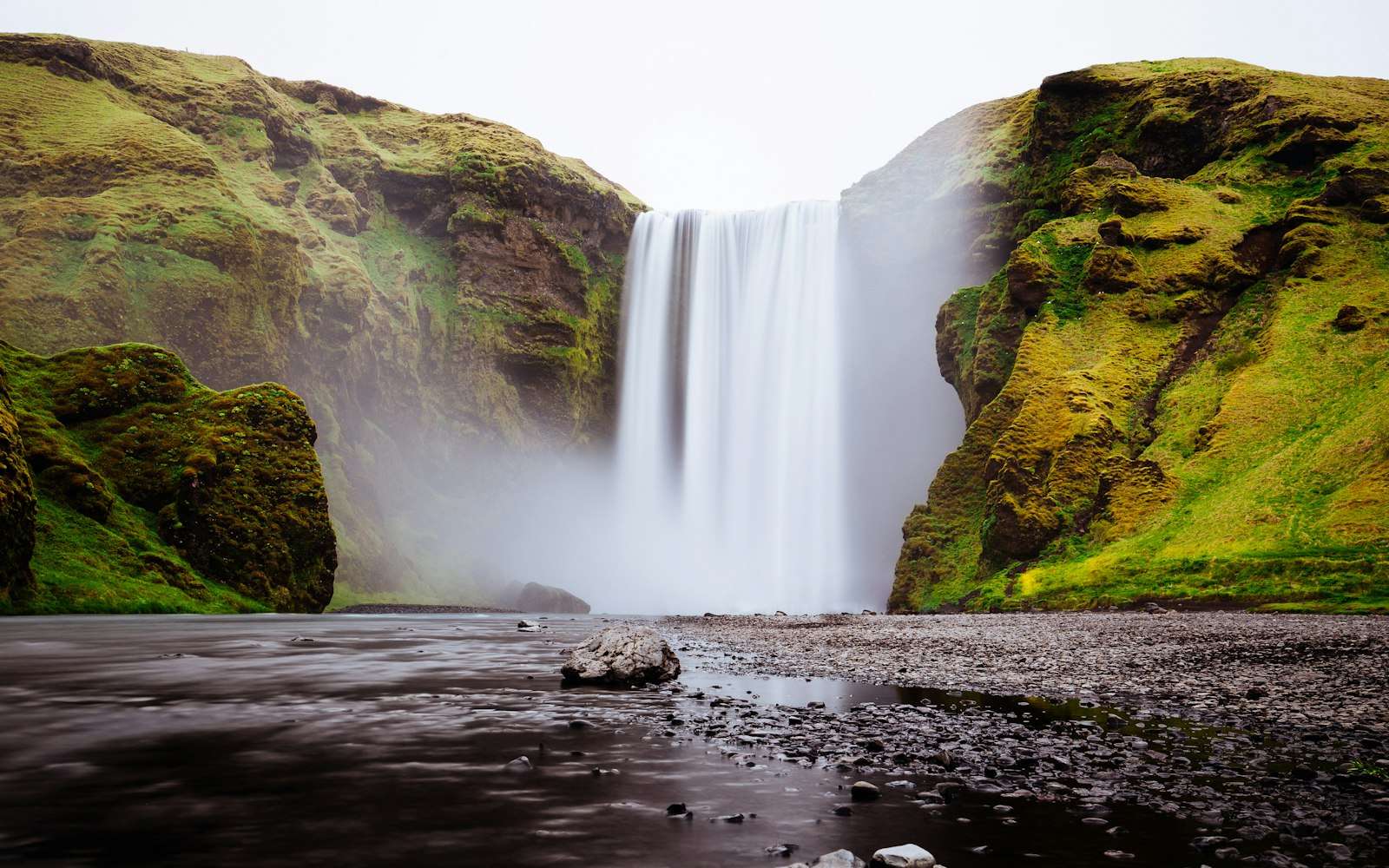
South Coast
The Waterfalls, the Black Beach Rules
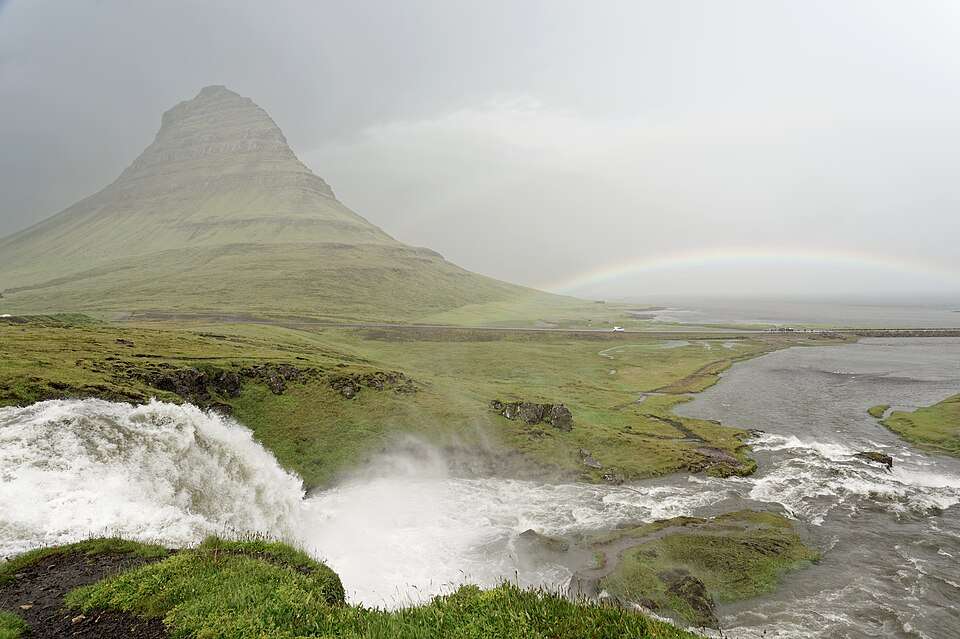
Snæfellsnes
The Long Loop, Iceland in Miniature
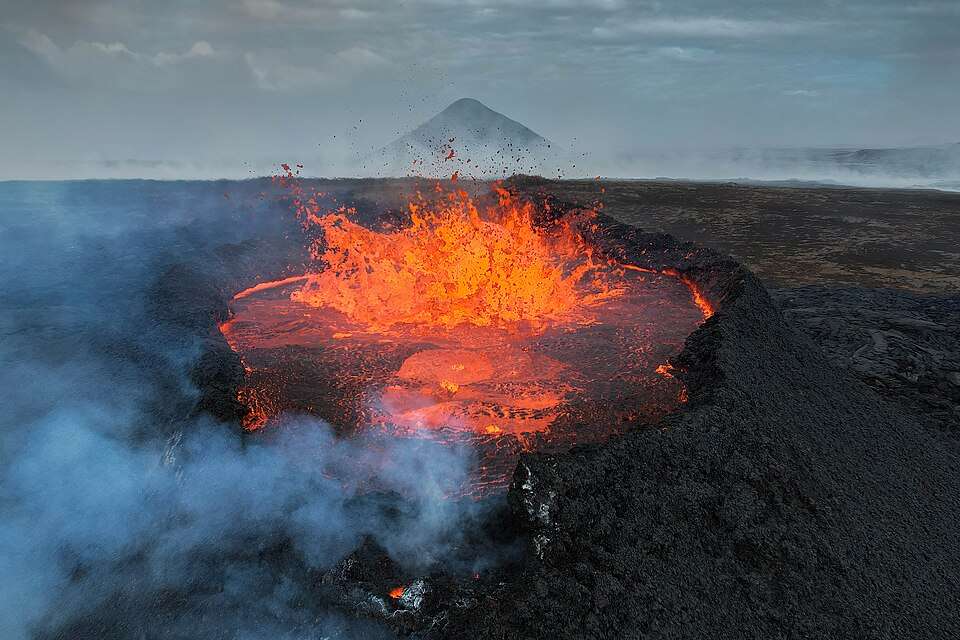
Reykjanes & Blue Lagoon
The Morning Status Check, the Bridge Between Plates
The Golden Circle — The Classic, Done Right
The 300-kilometer loop everyone does first holds its status with three first-rate stops. Þingvellir National Park is the double headliner: the rift valley where the North American and Eurasian plates pull visibly apart — you walk the Almannagjá fissure between continents — and the site of the world’s longest-running parliament, founded here in 930. The Silfra fissure adds snorkeling between the plates in glacier-filtered water for the dry-suited and pre-booked.
Geysir gave every geyser its name, and while the original sleeps, Strokkur next to it erupts every five to ten minutes — stand upwind, hold the camera ready, and the twenty-meter column obliges within a quarter hour, guaranteed in a way almost nothing in nature is. Gullfoss finishes the loop: the two-tier waterfall thundering into its canyon, with the upper path delivering spray and rainbows on sunny days.
The formats: self-driving beats the coach for schedule freedom (the loop drives easily in summer; winter wants studded rental tires and the road-condition check), while small-group tours handle winter driving properly. The add-ons sort by taste — Kerið crater’s red-and-teal bowl, the Secret Lagoon’s rustic soak at Flúðir, or Friðheimar’s tomato-greenhouse lunch, booked ahead. Start by 8 to run ahead of the coach wave all day.
Read the full Golden Circle day-trip page.
The South Coast — Waterfalls, Black Sand & the Wave Rules
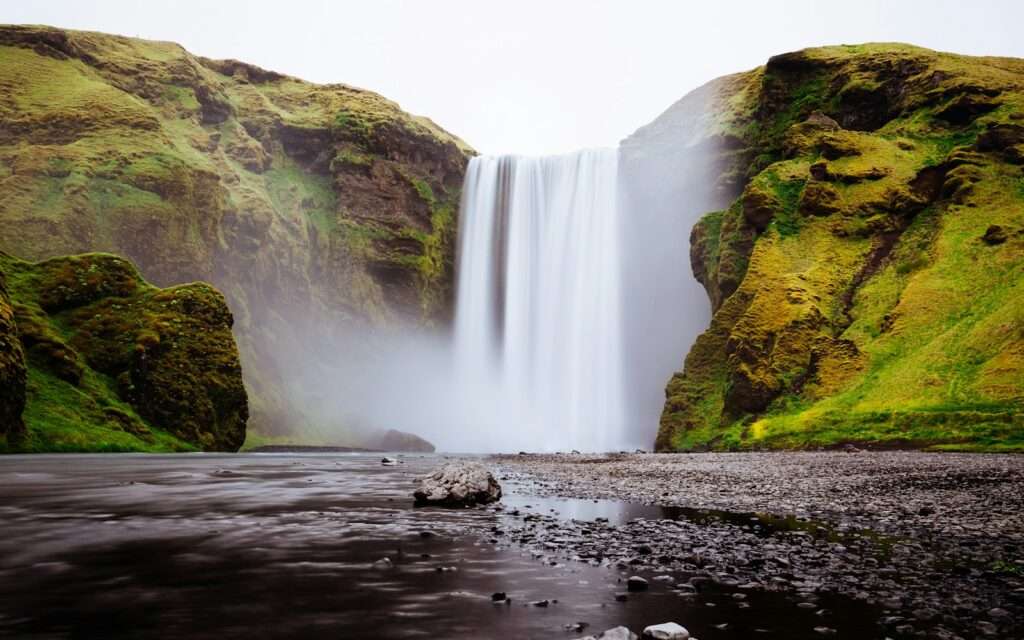
The south coast day runs two-plus hours out to Vík and back, stacking the country’s most photographed roadside nature. Seljalandsfoss is the walk-behind waterfall — the path loops through the cavern behind the curtain, waterproofs mandatory, and Gljúfrabúi hides in its slot canyon five minutes’ walk north for those who look. Skógafoss, twenty minutes on, drops its sixty-meter curtain wide enough to make its own weather; the staircase to the top adds the river-valley view and the start of the Fimmvörðuháls trail.
Reynisfjara black-sand beach, near Vík, demands its rules stated plainly: the sneaker waves here arrive without pattern, reach far higher up the beach than the sea suggests, and have swept visitors to their deaths in calm-looking weather. Never turn your back on the ocean, obey the posted warning-light system and rope lines, keep children at hand, and photograph the basalt columns and sea stacks from well up the beach. The waves are not a formality; locals treat them with the respect visitors should copy.
Sólheimajökull, the glacier tongue between the falls and Vík, is walkable only on guided crampon tours — book ahead, gear provided — and Dyrhólaey’s arch and puffin cliffs (in season, with nesting closures respected) complete the stack. Twelve to fourteen hours self-driven with stops; the tour version compresses it honestly.
Read the full The South Coast day-trip page.
The Lagoon Question — Blue, Sky & the Volcano Asterisk
Iceland’s most famous ticket needs its current framing. The Blue Lagoon sits on the Reykjanes peninsula near the recent eruption sites, behind purpose-built protective barriers, and its operating pattern through the eruption era has been consistent: it closes at short notice when an eruption starts, reopens after the authorities assess, and has been open the large majority of the time. Book the timed slot ahead as always, keep the booking flexible where offered, and check its status page and safetravel.is in eruption weeks. The product itself remains what it was: the milky-blue silica water in the black lava field, the mask bar, the swim-up drinks, and the pre-flight convenience of sitting fifteen minutes from the airport.
Sky Lagoon is the closer rival and a genuinely different product: ten minutes from downtown, an infinity edge over the open Atlantic, and the seven-step ritual (cold plunge, sauna with the ocean-window wall, body scrub) that structures the visit. It runs more adult in atmosphere, and swimsuits rent at both.
The sort: Blue Lagoon for the icon and the airport-day logic, Sky Lagoon for proximity and the ritual, and the city’s own geothermal pools — a fraction of the price — for the actual Icelandic institution, covered below. Doing one lagoon is correct; doing both is a spa trip wearing an Iceland costume.
Snæfellsnes — Iceland in Miniature, Priced
The long day: the Snæfellsnes peninsula, two hours northwest, compresses the country’s whole portfolio — glacier-capped volcano, black and golden beaches, lava fields, sea cliffs, and fishing villages — into a drivable loop, which earned it the “Iceland in miniature” tag honestly.
The circuit: Kirkjufell, the country’s most photographed mountain, with Kirkjufellsfoss in the foreground exactly as every calendar frames it; the Snæfellsjökull glacier-volcano (Verne’s entrance to the center of the earth) ringing the peninsula’s tip inside its national park; Djúpalónssandur’s black pebble beach with the lifting stones fishermen once tested themselves on and the shipwreck iron still scattered; the Lóndrangar basalt pinnacles; Arnarstapi’s coastal arch walk to Hellnar; and the Búðakirkja black church alone in its lava field.
The math: this is a twelve-hour, 450-kilometer day self-driven — magnificent and long — and the tour version exists for exactly that reason. Vatnshellir lava cave adds the guided underground hour. Frame it plainly: first-visit travelers with three days do Golden Circle, South Coast, and a lagoon; Snæfellsnes is the fourth day or the second visit, and it rewards both.
Read the full Snæfellsnes day-trip page.
Whales, Puffins & the Water
The harbor runs the wildlife day. Whale watching sails year-round from Reykjavik’s old harbor into Faxaflói bay — minke whales, white-beaked dolphins, and harbor porpoises as the reliable cast, humpbacks as the regular bonus — with the honest notes that summer sails calmer seas and higher hit rates, the “wildlife guarantee” typically means a free retry rather than a refund, and the seasickness-prone should medicate before boarding, not after. Húsavík in the north remains the country’s whale capital, but that’s a different trip; the Reykjavik version is genuinely good.
Puffins run seasonal: roughly May through mid-August, the express boats reach the Akurey and Lundey colonies in an hour round trip — binoculars provided, and the birds’ clown-faced traffic is everything promised. Dyrhólaey and the Westman Islands hold the bigger colonies for south-coast days.
Viðey island adds the gentle half day: the ferry hop to Yoko Ono’s Imagine Peace Tower (lit October through early December), Richard Serra’s standing stones, and shoreline paths with the city skyline behind. And the Northern Lights honesty belongs here too: September through March, on clear dark nights, with the forecast checked and expectations calibrated — the lights are a probability, not an appointment, and the boat and bus tours simply move you away from the city’s glow and retry free when skunked.
The Pools, the Hot Dog & Reykjavik Itself
The city’s real institution is the sundlaug: the municipal geothermal pools where Iceland actually socializes, at a tenth the lagoon price. Laugardalslaug is the flagship, Vesturbæjarlaug the neighborhood classic, and Sundhöllin the art-deco downtown option. The one non-negotiable rule: the pre-swim shower is naked, soap included, swimsuit off — it’s hygiene law, the attendants enforce it, and complying cheerfully is the entire etiquette. Hot pots run 38–44 degrees; conversation is the point.
The rest: Hallgrímskirkja’s tower elevator for the corrugated-rainbow rooftop view, Harpa’s honeycomb glass for the free wander, the Sun Voyager sculpture at the water, and the old harbor’s museums. The famous hot dog stand — Bæjarins Beztu, serving since 1937 — takes its order “eina með öllu” (one with everything), and the lamb-based dog with crispy onions justifies the queue. Beyond it, the eating truth: Iceland is expensive, full stop — the happy-hour apps, the soup-and-bread lunches, and the grocery-store picnic are the honest tools, and the splurge is better spent on one seafood tasting than three mediocre mains.
The season math is simple: June–August brings the midnight sun and full access; September and March–April trade some weather for lights-and-value; deep winter runs four-hour days, ice-checked itineraries, and the aurora upside. And the weather rule is real: if you don’t like it, wait five minutes — then layer accordingly, because you’ll meet all four seasons before dinner.
Full day-trip pages: Reykjanes & the Blue Lagoon.
Frequently Asked Questions
Is it safe to visit with the volcano activity?
Yes — the Reykjanes fissure eruptions are localized, haven’t disrupted flights or the capital, and are monitored closely. The practical impact is Blue Lagoon closures at short notice during eruptions; check safetravel.is and the lagoon’s status page in active weeks.
Blue Lagoon or Sky Lagoon?
Blue Lagoon for the icon and airport-day logic (timed booking ahead, flexible where possible); Sky Lagoon for the ten-minute proximity and the seven-step ritual. The city’s municipal pools are the local institution at a tenth the price — pick one lagoon, not both.
How dangerous is Reynisfjara really?
Genuinely — sneaker waves arrive without pattern and have killed visitors in calm weather. Never turn your back on the ocean, obey the warning lights and ropes, and shoot the basalt columns from well up the beach.
Can you do the Golden Circle without a tour?
Easily in summer — the loop self-drives in six to eight hours with stops, and starting by 8 beats the coaches. Winter flips the answer for anyone uneasy on ice; the small-group tours take over the driving.
When can you see the Northern Lights?
September through March, on clear dark nights, as a probability rather than an appointment — check the aurora and cloud forecasts, get away from city glow, and book tours that retry free. Summer’s midnight sun rules them out entirely.